The trucking industry faces acute hiring and retention pressure in 2025, requiring carriers to adopt strategic recruitment practices that reduce time-to-hire and improve long-term retention. This guide explains evidence-based recruitment best practices, candidate selection techniques, and process optimizations that fleets can apply immediately to attract qualified CDL drivers. Readers will learn how AI driver recruitment solutions and automated CDL lead generation shorten hiring cycles, which background checks and compliance steps are essential, and which retention programs reliably lower turnover.
The article maps the hiring journey from sourcing through onboarding, outlines driver engagement and culture strategies, and reviews recruiting technology options including software and managed-service trade-offs. Throughout, practical checklists, comparison tables, and step-by-step recommendations show recruiting teams how to lower cost-per-hire while improving quality-of-hire for fleet operations.
What Are the Key Challenges in Truck Driver Recruitment Today?

Truck driver recruitment today is defined by a tight labor market, high turnover, and rising cost-per-hire that together pressure fleet operations and service reliability. These forces increase recruiting spend, extend vacancy times, and amplify operational risk when routes lack continuity, reducing on-time performance and customer satisfaction. Understanding these core challenges helps recruiters prioritize interventions that deliver faster hires and better retention outcomes. The following list highlights the top near-term obstacles recruiters must address to make practical improvements.
- Driver shortage and high demand for CDL talent reduce available applicant pools and increase competition.
- Elevated turnover rates raise recruiting and training costs while disrupting route continuity and safety.
- Regulatory and compliance burdens lengthen hiring timelines due to background checks and documentation.
- Candidate expectations for pay, home time, and communication channels make passive outreach less effective.
These challenges require both process and technology responses; addressing them leads directly into how automation and AI improve lead quality and speed to contact for hiring teams.
How Does the Current Driver Shortage Impact Trucking Companies?
The current driver shortage constrains capacity, forcing carriers to reroute loads, pay premiums for expedited shipments, or decline new business, which cuts revenue and market responsiveness. Short-staffed fleets experience higher driver fatigue risk and operational bottlenecks that increase safety-related incidents and insurance exposure. Recruiting budgets spike as carriers chase scarce candidates through paid channels, while retention declines compound the need to recruit more frequently. Quantifying these impacts—lost revenue per vacant truck, increased overtime, and service reliability loss—helps prioritize investments in faster sourcing and better matching systems that restore capacity and service levels.
Why Is Driver Retention Critical for Fleet Success?
Driver retention directly reduces recruiting and training costs while stabilizing safety performance and customer relationships through route continuity and experienced crews. Stable driver pools improve productivity, lower accident incidence, and enable predictable scheduling that benefits both operations and driver quality of life. Key retention KPIs include turnover rate, average tenure, and driver net promoter score, which collectively signal workforce health and predict recruiting workload over time. Improving retention therefore multiplies recruiting ROI by reducing recurring vacancy cycles and increasing the lifetime value of each hire.
What Are Common Hiring Obstacles for Qualified CDL Drivers?
Common hiring obstacles include lengthy compliance checks, mismatched qualification requirements, scheduling constraints, and competitive offers that lure candidates away. Regulatory checks like MVR reviews and controlled substance testing add necessary friction but must be timed strategically to avoid losing candidates mid-process. Experience gaps or missing endorsements can be mitigated with training stipends or apprenticeship pathways that broaden the candidate pool. Addressing these barriers requires a mix of policy changes, flexible job designs, and clearer candidate communication to convert more applicants into hires.
How Can AI-Powered Lead Generation Improve Truck Driver Recruiting?

AI-powered lead generation for truck driver recruiting automates candidate discovery, qualification, and prioritization by scoring applicants against role-specific criteria, accelerating contact and improving match quality. Machine-learned models ingest data such as experience, endorsements, safety records, and candidate behavior to predict which prospects are most likely to convert and stay, which reduces time-to-hire and wasted outreach. By integrating predictive driver matching with automated outreach, recruiters can focus human time on high-value conversations and increase conversion rates from lead to hire.
Introductory table: how AI lead-generation components compare on speed, accuracy, integration, and cost.
| Component | Attribute | Impact |
|---|---|---|
| AI Calling Agent | Outbound engagement automation | Faster contact times; increases lead-to-interview rates |
| Predictive Matching | Candidate scoring by fit and retention signals | Higher quality hires; reduces churn risk |
| CRM Integration | Centralized workflow and analytics | Better handoff to recruiting teams; measurable ROI |
This comparison shows how combining automated outreach, predictive scoring, and CRM workflows shortens hiring cycles and improves lead quality. Integrating these capabilities into existing recruiting processes enables measurable gains in conversion and retention.
After explaining these benefits, carriers that prefer concrete product examples can evaluate software that pairs AI with managed recruiting to realize these gains quickly. CDL Agency offers CDL Agency Onboard, an AI-powered CRM and recruiting platform that streamlines lead capture, uses custom-trained AI for lead qualification, and supports automated outreach with an AI Calling Agent. CDL Agency pairs the software with done-for-you recruiting services that combine organic and paid lead generation and remote in-house recruiter placement, and markets outcome-focused offerings such as a guaranteed first hire in a 14-days free trial and a 100 percent Satisfaction guaranteed promise. These real-world services demonstrate how AI-driven lead qualification and managed recruitment can convert higher-quality candidates faster.
What Is AI-Driven Lead Qualification and Predictive Driver Matching?
AI-driven lead qualification uses data signals—employment history, endorsements, hours-of-service patterns, and safety metrics—to score candidates and prioritize outreach based on predicted conversion and retention likelihood. Predictive driver matching applies machine learning to identify the best-fit drivers for specific route profiles, equipment, and home-time preferences, which reduces mis-hires and early attrition. The core process flows from data intake to feature extraction, model scoring, and prioritized handoff to recruiters, enabling human teams to act on the highest-value leads first. This systematic prioritization shortens time-to-hire and increases the probability of long-term retention.
How Does CDL Agency Onboard Software Streamline Lead Management?
CDL Agency Onboard centralizes lead capture, candidate profiles, and automated nurturing so recruiting teams maintain an uninterrupted pipeline of qualified prospects. The platform emphasizes automated outreach and reporting, enabling recruiters to track lead quality, time-to-contact, and conversion metrics in one place. By combining an AI Calling Agent with CRM-led workflows, the software reduces manual follow-up and ensures hot leads receive prompt, personalized contact. These features help carriers measure campaign ROI and scale recruiting without proportionally increasing headcount.
What Are the Benefits of Combining Organic and Paid Lead Generation?
A combined organic-plus-paid lead strategy balances long-term pipeline depth with short-term volume, producing a more cost-effective candidate funnel than relying on paid channels alone. Organic channels—referral programs, content, and partnerships—build sustained talent pools and lower cost per hire over time, while paid campaigns allow rapid scale during peaks in demand. Using both approaches improves diversity of sources and mitigates the risk of sudden market shifts in candidate availability. Allocating budget across channels based on historical conversion rates and seasonality yields better cost-per-hire control and more predictable hiring outcomes.
What Are the Best Practices for an Effective CDL Driver Hiring Process?

An effective CDL hiring process is a structured workflow that moves candidates from sourcing to onboarding through clear screening, compliance checks, interviews, and rapid orientation to reduce drop-off and ramp new drivers faster. Structured processes standardize assessment, preserve compliance, and yield more consistent hiring outcomes across recruiting teams. Implementing scorecards, automated pre-screen forms, and clear background-check timing helps speed decisions while maintaining FMCSA and company compliance.
Introductory table: hiring steps, compliance requirements, and expected outcomes.
| Hiring Step | Compliance / Benefit | Outcome |
|---|---|---|
| Screening & Pre-Qual | Ensures minimum endorsements and safety record | Higher qualified candidate rate |
| Background Checks | MVR, drug tests, employment verification | Reduced regulatory risk |
| Interviews & Fit Assessment | Behavioral and route-specific questions | Better match and retention |
| Structured Onboarding | 30/60/90-day check-ins and mentorship | Faster productivity and retention |
This table clarifies how each step contributes to compliance and operational outcomes, helping teams prioritize where to automate and where to apply human judgment.
- Sourcing candidates from diverse channels builds pipeline depth and reduces dependence on any one source.
- Screening using scorecards and automated pre-screen forms clarifies minimum thresholds and quick-disqualifies non-starters.
- Conducting background checks at the right stage preserves candidate momentum while meeting FMCSA requirements.
- Delivering structured onboarding with mentorship and 30/60/90 check-ins shortens ramp time and improves early retention.
These numbered steps provide a process blueprint that teams can adapt to company size and hiring volume. Implementing them consistently improves hiring velocity and decreases early turnover.
How to Screen and Qualify CDL Driver Candidates Efficiently?
Efficient screening combines automation with focused human review to prioritize fit while minimizing time wasted on marginal candidates. Following proven candidate selection criteria ensures consistency across your hiring pipeline. Use pre-screen forms to capture endorsements, experience, and availability, then apply a scoring rubric that weighs safety record and route compatibility. Phone screens or AI calling agents can verify critical details quickly and surface red flags before scheduling interviews. Prioritizing candidates by a quantifiable score ensures recruiters focus on prospects most likely to pass compliance checks and accept offers, boosting conversion rates.
What Are the Essential Background Checks and Compliance Steps?
Essential checks include motor vehicle record (MVR) reviews, DOT drug and alcohol screening, employment verification, and any state-specific endorsements or certifications required for routes or equipment. Best practice is to obtain candidate consent early, sequence checks to avoid unnecessary expense for low-fit prospects, and maintain auditable records for FMCSA compliance. Timing is important: run core checks after an initial qualification step but before spend-intensive onboarding activities. Clear documentation and a standardized retention policy for records reduce audit risk and speed re-verification when necessary.
How to Conduct Interviews and Assess Driver Fit?
Interviews should focus on behavioral prompts that reveal safety orientation, route adaptability, and communication quality, using standardized questions and scoring to limit bias. Sample questions include scenarios about fatigue management, equipment issues, and customer service under pressure, with clear red-flag responses flagged by interviewers. Assess soft skills such as problem-solving and reliability alongside technical qualifications to gauge cultural fit and long-term retention potential. Consistent scoring templates across interviewers create defensible hiring decisions and streamline candidate comparisons.
What Are the Key Steps to Optimize Driver Onboarding?
Optimized onboarding combines administrative setup, safety training, equipment familiarization, and hands-on mentorship into a 30/60/90-day plan that accelerates productivity and embeds drivers in company culture. Early route shadowing and incremental responsibility build confidence while scheduled check-ins quickly surface issues before they escalate. Digital document management and training modules reduce paperwork time and ensure consistent compliance. Structured onboarding that includes feedback mechanisms and a dedicated mentor meaningfully increases the probability that new hires remain beyond critical first months.
Which Driver Retention Strategies Help Reduce Turnover in Trucking?

Retention strategies must align compensation, career development, company culture, and wellbeing support to reduce turnover effectively and sustainably. Programs that combine competitive pay with predictable home time, clear promotion pathways, and wellbeing initiatives produce measurable tenure gains. Retention efforts pay back through lower recruiting cycles, improved safety outcomes, and better customer service continuity. The list below summarizes high-impact retention strategies supported by industry best practices.
- Competitive and transparent pay structures with performance or safety bonuses to reward reliability.
- Defined career paths and training that allow drivers to advance into lead or trainer roles.
- Wellbeing programs and scheduling practices that prioritize rest, mental health, and family time.
- Recognition programs and consistent two-way communication to make drivers feel valued.
These strategies work together: pay attracts, but culture and development sustain retention, leading into specifics about how culture influences loyalty.
How Does Company Culture Influence Driver Loyalty?
Company culture sets expectations for respect, communication, and operational fairness that shape a driver’s daily experience and decision to stay. Practices such as involving drivers in scheduling, soliciting feedback, and transparent management responses signal respect and build trust. Measurable outcomes include improved driver satisfaction scores and lower voluntary turnover, which translate into operational stability. Creating a culture where drivers feel heard and valued directly improves retention and reduces the recruiting burden over time.
What Benefits and Career Paths Attract and Retain CDL Drivers?
A benefits mix that includes competitive pay, consistent home time policies, training stipends, and clear career ladders to higher-paying or supervisory roles attracts and retains talent. Offering structured advancement—such as lead driver, trainer, or safety specialist tracks—gives drivers long-term incentives to stay and develop. Health and retirement programs, where affordable, support life-stage needs that influence tenure decisions. These offerings combined signal that the company invests in driver futures, improving loyalty and retention metrics.
How Can Driver Well-being and Engagement Improve Retention?
Driver wellbeing programs address mental and physical health, schedule fairness, and recognition systems that collectively boost job satisfaction and reduce burnout. Practical programs include ergonomic equipment, access to health resources, flexible routing where possible, and frequent recognition for safety and tenure milestones. Regular engagement surveys paired with visible action plans show drivers that feedback drives change, increasing trust. Tracking wellbeing metrics alongside retention KPIs helps quantify program ROI and prioritize investments that matter most to drivers.
How Does Truck Driver Recruiting Software Enhance Hiring Efficiency?

Recruiting software enhances hiring efficiency by centralizing lead capture, automating outreach, scoring candidates, and providing analytics that shorten decision cycles and reduce manual workload. Key features—lead scoring, automated outreach, reporting, integrations with applicant tracking systems, and mobile access—enable recruiting teams to do more with less. Software that includes AI-powered CRM capabilities can further accelerate time-to-contact and personalize communications at scale, improving conversion. The following table links software features to benefits and expected outcomes to guide vendor selection.
| Feature | Benefit | Expected Outcome |
|---|---|---|
| Lead Scoring | Prioritizes high-fit candidates | Faster hires; improved quality-of-hire |
| Automated Outreach | Reduces manual follow-up | Higher response rates; lower time-per-hire |
| Reporting & Analytics | Measures campaign ROI | Better budget allocation |
| CRM Integration | Seamless workflow handoff | Reduced candidate leakage |
- Evaluate vendors by must-have features (lead capture, scoring, outreach) and nice-to-have integrations (TMS, payroll).
- Pilot AI-powered CRM workflows on a single region to measure time-to-hire and conversion improvements.
- Select pricing models aligned to fleet size—subscription for steady-state recruiting or hybrid managed services during peak hiring.
These numbered guidelines help fleets choose the right software approach and prepare to measure ROI effectively.
What Features Should Trucking Recruitment Software Include?
Essential features include lead capture pipelines, candidate scoring, automated outreach (email/SMS/voice), reporting dashboards, and mobile recruiter access to manage candidates in the field. Advanced capabilities such as AI Calling Agents, predictive matching, and integration with payroll or dispatch systems add scale and reduce manual rework. Security, compliance workflows, and audit logging are also critical for FMCSA adherence. Vendors that provide clear analytics on time-to-hire, cost-per-hire, and conversion rates allow recruiting leaders to make data-driven investments.
How Does AI-Powered CRM Support Lead Conversion?
An AI-powered CRM supports lead conversion by automatically prioritizing prospects based on predicted fit, initiating timely follow-ups with personalized messages, and flagging churn risk signals for retention-focused interventions. Process-wise, the CRM ingests leads, applies scoring, triggers outreach sequences, and surfaces high-value candidates for human recruiters, reducing lag time between inquiry and contact. Analytics from the CRM inform campaign refinement, yielding continuous improvement in targeting and messaging. These capabilities directly reduce candidate drop-off and improve offer acceptance rates.
What Are Cost-Effective Models for Using Recruiting Software?
Cost-effective models include subscription licenses for software-only use, retainer-based managed recruiting services for outsourced volume, pay-per-hire models for contingency needs, and hybrid approaches that pair software with managed recruiters. Subscription models work well for in-house teams with steady hiring, while managed services suit fleets that need rapid scale or lack internal recruiting capacity. Look for trial or guarantee offers that reduce risk and enable measurement of break-even on cost-per-hire reductions. Choosing a model aligned to hiring velocity and internal capability maximizes ROI.
What Solutions Address the Truck Driver Shortage Effectively?
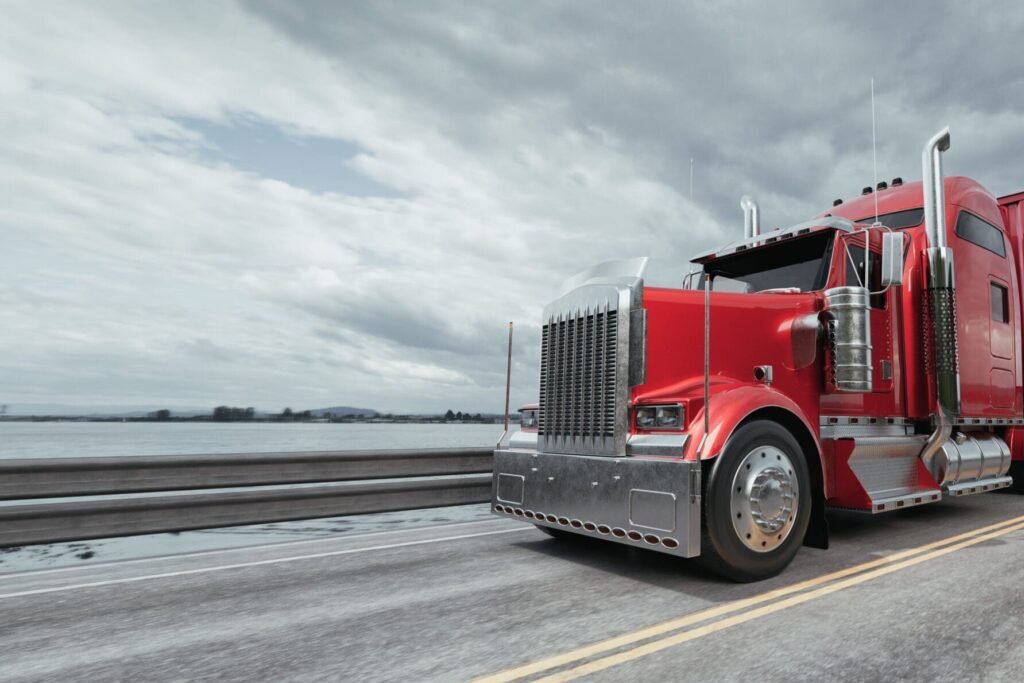
Effective solutions to the driver shortage blend long-term pipeline development, strategic partnerships, and technology-enabled sourcing to produce both immediate hires and sustainable talent flow. Apprenticeships, training partnerships, and campus outreach build durable pipelines, while ATS/CRM automation and predictive matching address volume and fit at scale. Demonstrable case studies that show time-to-hire and cost-per-hire improvements provide the proof points needed for buy-in from operations and finance. The following section explains staffing and technology roles and how to document success in case studies.
How Can Fleet Staffing and Talent Pipeline Development Help?
Fleet staffing and pipeline development create a steady source of qualified candidates through partnerships with driver training schools, apprenticeships, and community outreach programs targeted at emerging CDL talent. Building sponsored training or apprenticeship programs converts trainees into hires while controlling training quality and expectations. Tracking pipeline health metrics—applicants per month, conversion-to-hire, and time-to-first-day—helps managers prioritize outreach and partnerships. These long-term investments reduce reliance on fluctuating paid channels and lower cost-per-hire over time.
What Role Does Technology Play in Solving Driver Shortages?
Modern recruitment technology platforms—from ATS and CRM systems to predictive matching and automated outreach—scales sourcing and improves matching accuracy so recruiters can handle higher volumes without proportional headcount increases. Automation tackles repetitive tasks, analytics identifies the best channels, and predictive tools forecast churn risk to target retention interventions. Realistic expectations include faster response times and improved conversion rather than immediate elimination of all hiring friction. Technology is a multiplier when paired with consistent processes and human oversight.
How Do Case Studies Demonstrate Successful Driver Recruitment?
Case studies should follow the challenge → solution → metrics → testimonial arc, emphasizing measurable KPIs such as time-to-hire, cost-per-hire, and retention improvements at 90 days and 12 months. Include baseline metrics, the interventions deployed (technology, managed recruiting, pipeline partnerships), and concrete outcomes that quantify ROI. Sample KPIs to report are percentage reduction in time-to-hire, dollars saved per hire, and retention rate increases. Clear case studies enable decision-makers to compare projected vs realized benefits when evaluating solutions.
Before case studies, carriers evaluating managed options may consider blended service models that combine software and recruitment operations. CDL Agency provides done-for-you CDL driver recruiting services that pair organic and paid lead generation with remote in-house recruiter placement under monthly retainer models to reduce ad spend and speed hires. This managed approach is offered alongside CDL Agency Onboard software to give carriers both tools and hands-on recruiting execution, delivering measurable recruiting outcomes while reducing internal workload.
What Are the Most Effective Ways to Build a Positive Trucking Company Culture?

Building a positive company culture for drivers requires intentional employer branding, inclusive practices, and consistent recognition and communication that align operational policies with driver priorities. Driver-focused messaging—clear pay transparency and realistic home-time promises—attracts better-fit candidates and sets expectations that improve retention. Operational practices such as fair scheduling, route design, and support resources reduce burnout and enhance morale. Below are actionable steps teams can deploy to improve culture and employer brand.
- Craft drivers-first employer messaging that clearly communicates pay, home time, and career paths.
- Implement fair scheduling and inclusive HR policies that prioritize driver wellbeing.
- Create recognition programs with public awards and structured feedback channels to reinforce positive behaviors.
When these elements combine, drivers experience a workplace that values their time and safety, which in turn reduces turnover and improves recruitment outcomes.
How Does Employer Branding Attract Qualified CDL Drivers?
Employer branding targeted at drivers highlights tangible benefits—home time, predictable pay, and real career pathways—while showcasing authentic driver stories and day-in-the-life content. Reading reviews from current and former drivers helps prospects evaluate whether company promises match reality. Use consistent messaging across channels such as social and referral programs to build credibility and recall. Clear branding reduces candidate ambiguity and attracts applicants whose priorities align with company offerings, improving quality-of-hire. Measuring source quality and referral conversion rates helps refine brand messages that resonate with top candidates.
What Practices Foster a Supportive and Inclusive Work Environment?
Supportive and inclusive work environments combine fair scheduling, anti-harassment policies, and accessible support resources like employee assistance programs to address both logistical and wellbeing needs. Implementing inclusive hiring practices widens the candidate pool and signals respect to current employees. Operational changes such as predictable routes and meaningful involvement in scheduling decisions improve daily driver experience. Tracking engagement metrics and incident rates helps managers prioritize programs that yield measurable improvements.
How Can Communication and Recognition Improve Driver Satisfaction?
Regular two-way communication—formal check-ins, informal channels, and structured feedback loops—gives drivers a voice in operational decisions and builds trust with management. Recognition programs, whether milestone bonuses or public acknowledgment for safety, reinforce desired behaviors and increase morale. Scheduling consistent touchpoints and acting on survey results show drivers that feedback leads to change, which boosts satisfaction. These practices collectively reduce voluntary turnover and create ambassadors who refer peers into the hiring pipeline.
To see how these strategies and technologies can work in your operation, book a free consultation with CDL Agency to explore CDL Agency Onboard and done-for-you recruiting services.